Signs Your Roof Needs Repair or Replacement for Homeowners
A roof rarely fails all at once. Most of the time, it gives warning signs long before water pours through the ceiling or shingles scatter across the yard. The challenge is knowing which signs point to a simple repair and which ones suggest the roof is nearing the end of its life.
For homeowners, catching roof problems early can prevent water damage, mold, insulation issues, and expensive structural repairs. A few missing shingles may be easy to fix. A sagging roofline or repeated leaks may call for a deeper look.
This guide explains the most common signs of roof damage, how to check your roof safely, when repair may be enough, and when replacement makes more sense.
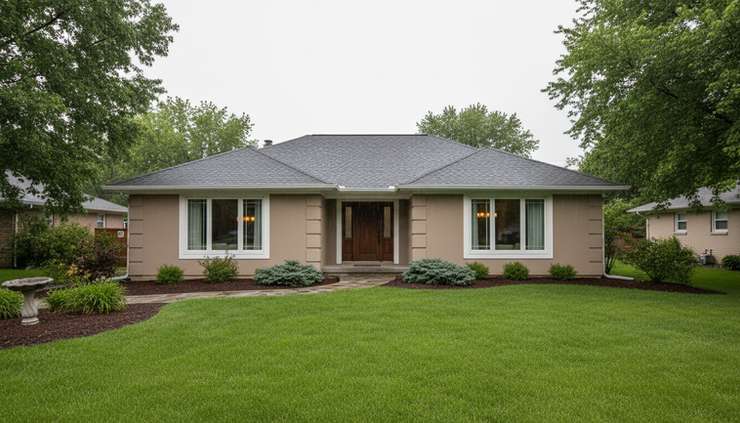
Why roof problems should not wait
Small roof issues often spread quietly. Water can slip under damaged shingles, soak roof decking, stain ceilings, and weaken framing before the problem becomes obvious indoors.
A roof also protects several connected parts of the home:
Attic insulation
Rafters and roof decking
Gutters and fascia boards
Ceilings and drywall
Electrical fixtures in upper rooms
Heating and cooling efficiency
That is why regular inspections matter. A roof does not need to be inspected only after a storm. Seasonal checks help spot cracked sealant, loose flashing, clogged gutters, and lifted shingles before they turn into bigger repairs.
A good habit is to inspect from the ground at least twice a year, usually in spring and fall, and after major storms. Homes in areas with heavy snow, strong winds, hail, or intense sun may need more frequent attention.
Key signs your roof needs attention
Not every roof problem means replacement. Some issues are local and can be repaired. Others suggest the whole roof system is wearing out. The signs below can help you decide what needs a closer look.
Leaks or water stains inside the home
A ceiling stain is one of the clearest signs of a roof problem. Stains may look yellow, brown, or gray. They often appear near chimneys, skylights, vents, exterior walls, or upper-floor ceilings.
Leaks do not always drip directly below the damaged area. Water can travel along rafters, pipes, or insulation before showing up inside. That means the spot on the ceiling may not match the exact roof opening.
Watch for:
Damp spots after rain
Peeling paint or bubbling drywall
Musty smells in the attic
Water around light fixtures
Stains that grow over time
A small leak can sometimes be fixed with flashing repair, shingle replacement, or new sealant. Repeated leaks in several areas may point to an older or failing roof.
Missing, cracked, or curling shingles
Shingles are the roof’s outer layer of defense. When they break down, water can reach the underlayment and decking below.
Common shingle problems include:
Missing shingles after wind
Cracked shingles from age or impact
Curling edges
Buckling or raised sections
Bare spots where granules have worn away
One or two missing shingles can often be repaired. Widespread curling, cracking, or bald patches usually mean the roof is aging as a whole.
If damage appears in several sections of the roof, the problem may be more than cosmetic. It may be a sign that the roofing material is losing its ability to protect the home.
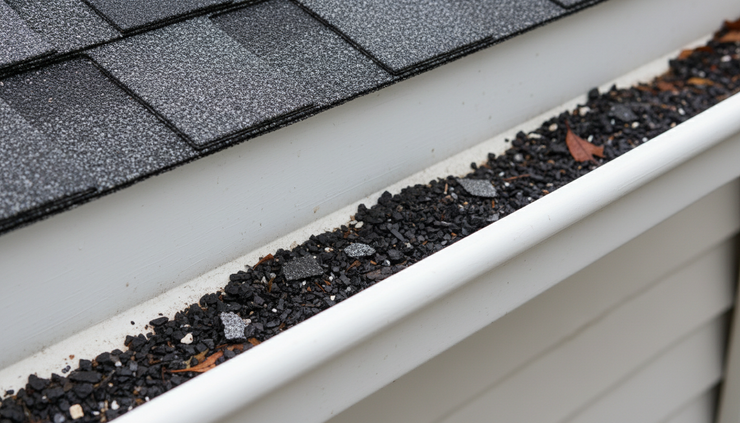
Granules in gutters or near downspouts
Asphalt shingles have small granules that protect them from sun exposure and weather. Some granule loss is normal, especially on a newer roof. Heavy or ongoing granule loss is different.
Check gutters, downspouts, and splash blocks for gritty buildup. Also look for dark patches on shingles where granules are missing.
Granule loss can speed up aging because the shingles become more exposed to sunlight and moisture. If the roof is older and granules are washing away in large amounts, replacement may be more likely than repair.
Sagging areas or a wavy roofline
A sagging roof is a serious warning sign. It can point to moisture-damaged decking, weakened framing, poor ventilation, or excess weight on the roof.
From the ground, look at the roofline. It should appear straight and even. A dip, bow, or wave deserves prompt attention.
Sagging can happen near valleys, ridges, or large roof sections. It should not be ignored, even if there is no visible leak inside.
Call a roofing professional right away if the sagging is noticeable or growing. Structural issues require a careful inspection and should not be handled as a do-it-yourself project.

Signs around chimneys, vents, and roof edges
Some of the most common roof leaks start around openings and edges. These areas rely on flashing, sealant, and careful installation.
Damaged flashing
Flashing is the thin metal material installed around chimneys, skylights, vents, valleys, and roof-to-wall joints. Its job is to guide water away from seams.
Look for flashing that is:
Bent
Rusted
Loose
Missing
Pulling away from brick, siding, or shingles
Flashing problems are often repairable when caught early. If water has been entering for a long time, the decking or surrounding materials may also need work.
Problems near gutters and fascia
Gutters help move water away from the roof and foundation. When they clog, water can back up under shingles or overflow onto fascia boards.
Signs of trouble include:
Gutters pulling away from the house
Rotting fascia
Water stains under the eaves
Plants growing in the gutters
Ice buildup in colder climates
Overflow during rain
Cleaning gutters is a basic maintenance task, but gutter damage can also reveal roof edge problems. If shingles at the edges are soft, curled, or deteriorating, a roofer should inspect the area.
Moss, algae, and trapped moisture
Dark streaks on a roof are often algae. Moss is thicker and can lift shingles as it grows. Both are more common on shaded or damp roof sections.
Algae may be mostly cosmetic, but moss can trap moisture and shorten shingle life. Avoid power washing a shingle roof. High pressure can strip granules and cause damage.
Use manufacturer-approved roof cleaning methods or ask a professional if growth is heavy.
When a roof repair may be enough
A repair may make sense when the damage is limited, the roof is not too old, and the surrounding materials are in good shape.
Repair is often possible for:
A few missing shingles
A small leak around flashing
Minor storm damage in one area
Loose vent boots
Isolated nail pops
Small sections of damaged sealant
The key is whether the problem is isolated. If the rest of the roof still performs well, a targeted repair can restore protection without replacing everything.
A professional inspection can confirm whether the damage is truly limited. What looks like one missing shingle from the ground may include torn underlayment or soft decking below.
When replacement may be the better choice
Roof replacement becomes more likely when damage is widespread or the roof is near the end of its expected service life. The exact lifespan depends on the material, installation quality, ventilation, weather exposure, and maintenance history.
Replacement may be the better option if you notice:
Leaks in several areas
Many cracked, curled, or missing shingles
Widespread granule loss
Sagging roof sections
Soft or rotted decking
Repeated repairs that no longer hold
A roof that looks worn across most slopes
Age matters, but age alone does not tell the whole story. A poorly ventilated roof can fail early. A well-installed and well-maintained roof may last longer than expected.
Here is a simple way to compare repair and replacement situations.
Roof condition | Repair may fit | Replacement may fit |
Damage location | One small area | Several slopes or wide areas |
Leak pattern | One clear source | Multiple or recurring leaks |
Shingle condition | Mostly flat and intact | Curling, cracking, or shedding granules |
Roof structure | Straight and firm | Sagging, soft, or uneven |
Cost pattern | One practical fix | Frequent repairs adding up |
This is where Signs Your Roof Needs Repair or Replacement for Homeowners becomes more than a checklist. The best choice depends on the full roof system, not just the most visible symptom.
How to assess your roof safely
A roof inspection does not have to mean climbing onto the roof. In many cases, the safest and most useful first check happens from the ground.
Start with a ground-level inspection
Walk around the home and look up at every roof slope you can see. Use binoculars if needed.
Check for:
Missing shingles
Uneven roof lines
Lifted flashing
Sagging sections
Debris in valleys
Damaged gutters
Tree branches touching the roof
Take photos from the same spots each season. Comparing images makes it easier to notice changes.
Check the attic if it is safe to enter
The attic can reveal roof problems before they reach living spaces. Use a bright flashlight and step only on safe walking surfaces. Do not step between joists or onto insulation.
Look for:
Wet or darkened wood
Rust on nails
Daylight coming through roof boards
Mold-like growth
Damp insulation
Musty odors
If the attic is cramped, poorly lit, or unsafe, skip this step and call a pro. No roof inspection is worth a fall or injury.
Avoid walking on the roof
Walking on a roof can damage shingles and put you at risk. Steep slopes, wet surfaces, loose granules, and hidden weak spots make falls more likely.
Stay off the roof if:
The surface is wet, icy, or mossy
The slope is steep
The roof is visibly sagging
You do not have proper fall protection
You are uncomfortable with heights
Storm damage may have weakened the structure
If you need a closer look, use photos from the ground or hire a roofing contractor. Professionals have equipment, training, and experience to inspect safely.
Why regular inspections and maintenance matter
Roof maintenance is not just about avoiding emergencies. It also helps the roof last as long as possible.
Basic maintenance includes:
Cleaning gutters and downspouts
Removing leaves and branches from roof valleys
Trimming branches away from the roof
Checking attic ventilation
Watching for ceiling stains after storms
Addressing small repairs promptly
Keeping records of inspections and work completed
Good ventilation is especially important. Heat and moisture trapped in the attic can shorten shingle life and cause condensation problems. A roofer or home inspector can check whether intake and exhaust vents are working as they should.
After strong winds, hail, or falling branches, do a visual inspection as soon as conditions are safe. Storm damage can be easy to miss from inside the home, especially if leaks have not appeared yet.
What a professional roof evaluation includes
A roofing professional can inspect areas that are hard or unsafe for a homeowner to assess. They can also tell the difference between surface wear and deeper damage.
A thorough evaluation may include:
Shingle condition
Flashing and sealant
Roof valleys
Gutters and drainage
Vent boots and pipe penetrations
Chimney areas
Skylight seals
Roof decking condition where visible
Attic ventilation and moisture signs
A trustworthy contractor should explain findings clearly, show photos when possible, and separate urgent problems from future concerns. If replacement is recommended, ask why repair is not enough. If repair is recommended, ask how long the fix is expected to last.
For major work, it is reasonable to get more than one estimate. Compare the scope of work, materials, warranties, cleanup, permits if needed, and how the contractor handles hidden damage.

The best next step for a questionable roof
If you see one loose shingle or a small stain, do not panic. Start with a safe visual check, note what you find, and watch whether the issue changes after rain or wind. If you see sagging, repeated leaks, widespread shingle damage, or large amounts of granules, schedule a professional inspection.
Your roof protects the entire home, so early attention pays off. The sooner you identify the problem, the more options you have. A timely repair may add years of service. A well-planned replacement can prevent constant patching and surprise damage.
The practical takeaway is simple: inspect regularly, maintain the basics, stay off unsafe roof surfaces, and bring in a qualified roofing professional when the signs point to more than a minor fix.
Closing
A roof is one of the most important investments you can make in your home and addressing problems early can help prevent more extensive and costly damage down the road. Whether your roof needs a simple repair or it's time for a complete replacement, making an informed decision today can provide lasting protection, improved energy efficiency and greater peace of mind for years to come.
At 3D Contractors, we're committed to delivering quality craftsmanship, honest recommendations and dependable service on every project. If you've noticed signs of roof damage or simply want the confidence of a professional inspection, we're here to help. Contact us today to schedule your free estimate and let us protect what matters most--your home and your family.


Comments